When the Office Closes, the Need for Human Judgment Doesn’t
Home care doesn’t stop at 5:00 p.m.
Caregivers call out. Clients fall. Families have concerns. A person living with dementia may become confused or wander. Emergencies happen.
And when they do, the person calling doesn’t simply need someone, or something, to answer the phone.
They need someone who understands what is happening and knows how to respond.
At 24/7 Coastal Contact, we provide home care agencies with experienced after-hours support centered around something technology alone cannot fully replicate:
Human judgment. Human compassion. Human accountability.
A Call Is Not Always Just a Call
After-hours calls can change quickly.
An overwhelmed caregiver may be struggling with a client who has become frightened, confused, or agitated. A client living with dementia may wander from the home. A fall or injury may create an immediate safety concern.
These aren’t simply calls that need to be answered and routed. They are human situations that require someone to listen, understand what is happening, follow agency protocols, and recognize when escalation is necessary.
Sometimes the caller needs support too.
A caregiver may need someone to calmly walk through the situation with them, reinforce safety, and help them respond appropriately rather than becoming overwhelmed.
A frightened or confused client may need someone who can slow the conversation down, listen for changes in tone or behavior, provide reassurance, and help restore a sense of safety while the appropriate resources are contacted.
That requires more than processing information. It requires understanding people.
Dementia Adds Another Layer
After-hours situations can become especially complex when an agency serves individuals living with dementia or Alzheimer’s disease.
Confusion, wandering, fear, suspicion, agitation, or refusal of care may require more than a predetermined set of questions.
Human communication means recognizing what may be happening beneath the words. It means knowing when to redirect instead of correct, reassure instead of argue, and slow the conversation down instead of rushing through it.
Most importantly, it means recognizing when a situation has moved beyond routine care and requires immediate escalation.
After-Hours Support Is Also Risk Management
Human after-hours support isn’t only about compassion. It can also be an important part of an agency’s risk-management process.
Falls, injuries, wandering, suspected neglect, caregiver abandonment, hospitalization, medication concerns, and other significant events require careful handling.
What happens during that call matters.
Was agency protocol followed? Was the appropriate person notified? Was the situation escalated promptly? Was the client’s immediate safety considered? Was the event documented accurately?
The goal shouldn’t simply be to have someone answer the telephone.
The goal is to make sure the situation is managed appropriately and safely.
Technology Can Help. Human Judgment Still Matters.
Technology and AI have an important place in home care and after-hours operations.
They can help gather information, document details, categorize calls, organize data, and route information quickly and efficiently.
But there is an important distinction:
Automating a business process is different from managing a human crisis.
AI may identify that a client has fallen. A human may need to understand the fear and confusion surrounding it.
AI may categorize a dementia-related call. A human may need to calm an overwhelmed caregiver and help protect the client.
AI may document what someone is saying.
A human can hear how they are saying it.
The future of home care doesn’t have to be technology or people. The strongest approach may be using technology to improve efficiency while keeping experienced people at the center of situations involving care, safety, judgment, escalation, and crisis management.
The Human Touch Is the Difference
Home care is ultimately a people-centered industry.
When a client is frightened, a caregiver is overwhelmed, a person with dementia has wandered, or a situation could affect someone’s safety, having an experienced human being on the other end of the line can make all the difference.
Technology can help process the call.
Technology can help document the call.
Technology can help route the call.
But the human touch helps manage the person and the situation behind the call.
And in home care, that difference matters.
24/7 Coastal Contact
Human support when your office is closed and your caregivers and clients still need you.
24/7 Coastal Contact provides after-hours support for home care agencies with human judgment, compassionate communication, agency-specific protocols, appropriate escalation, and detailed documentation at the center of every call.
Because after-hours support shouldn’t just answer the call. It should understand what’s happening on the other end of it.
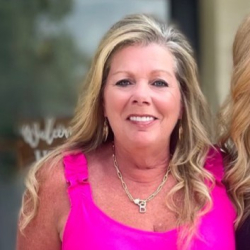
Prior to establishing 24/7 Coastal Contact, Ms. King worked for 30 years in the health care industry. Her experience began providing direct patient care. Eventually, she transitioned into home care and home infusion, then acquired her HCS-D certification as a Home Health specialty coder where she learned about the administrative burden facing Home Health and Home Care providers.
It became clear that after-hours customer service was a major toll home care industry and it was with this need in mind that 24/7 Coastal Contact was founded. Since 2018, 24/7 Coastal Contact has grown explosively. Now, we provide service to over 40 agencies in over 24 states with a 95% retention of service rate.
- The Human Touch in Home Care: Why After-Hours Support Still Needs People - October 8, 2026
- 24/7 Coastal Contact: Always Available. Always Human. - October 8, 2026
- The Real Cost of On-Call Burnout in Home Care Agencies - September 29, 2026